 |

Patriot Resource Index
 September 11, 2001 Index
 Background
Federal Response
International Response
Presidential Response
 Timelines:
9-11: 7:59-9:30 AM
9-11: 9:30 AM-12:30 PM
9-11: 12:30-10:30 PM
9-11: Pentagon Attack
9-11: Towers Collapse
9-11: Penn. Crash
9-11: President's Travels
September 12th, 2001
September 13th, 2001
September 14th, 2001
September 15th, 2001
September 16th, 2001
Background
Links & Other Resources
Search the Site
Site Map
Contact Us
PatriotResource.com:
Main Index
Film Index
Film: Gladiator
Film: National Treasure
Film: The Patriot
Film: Tombstone
Films: General
Films: Fantasy
Films: SciFi
History: 1775-1781
History: September 11th
Lord of the Rings
NORAM Road Trips
OtherWorld: Index
TV Series: Index
TV: Battlestar Galactica
TV: Caprica
TV: Deadliest Catch
TV: Lost
TV Series: Action
TV Series: Animated
TV: BBC Presentations
TV Series: Comedy
TV Series: Drama
TV: Fantasy/SciFi
TV Series: Western
TV Series: Reviews
September 11, 2001 IndexBackgroundFederal ResponseInternational ResponsePresidential ResponseTimelines:9-11: 7:59-9:30 AM
9-11: 9:30 AM-12:30 PM
9-11: 12:30-10:30 PM
9-11: Pentagon Attack
9-11: Towers Collapse
9-11: Penn. Crash
9-11: President's Travels
September 12th, 2001
September 13th, 2001
September 14th, 2001
September 15th, 2001
September 16th, 2001
Background
Links & Other ResourcesSite Map
Contact Us
Main Index
Film Index
Film: Gladiator
Film: National Treasure
Film: The Patriot
Film: Tombstone
Films: General
Films: Fantasy
Films: SciFi
History: 1775-1781
History: September 11th
Lord of the Rings
NORAM Road Trips
OtherWorld: Index
TV Series: Index
TV: Battlestar Galactica
TV: Caprica
TV: Deadliest Catch
TV: Lost
TV Series: Action
TV Series: Animated
TV: BBC Presentations
TV Series: Comedy
TV Series: Drama
TV: Fantasy/SciFi
TV Series: Western
TV Series: Reviews
The Towers Collapse
8:45 A.M. - Flight 11 crashes into the north WTC tower (1 Tower).
10:28 A.M. - The north WTC tower (1 Tower) collapses.
9:03 A.M. - Flight 175 crashes into the south WTC tower (2 Tower).
9:59 A.M. - The south WTC tower (2 Tower) collapses.
5:20 P.M. - World Trade Center 7 collapses.
Less than two hours after the first tower was hit, both towers had collapsed into a pile of rubble.
Current analysis by architechs and engineers suggest that the design of the towers helped protect the rest of the city from damage. The towers were built with a large central steel and cement core with smaller steel and cement columns at the corners. The towers were designed to withstand the impact of a jetliner, which they did, but each plane was loaded with jet fuel when they crashed into the towers.
When the planes impacted the towers, they ignited intense fires which may have reached 2,000 degrees Fahrenheit. Such an intense fire burned away support materials and probably warped the steel supports themselves, which lose half their strength at 1,500 degrees Fahrenheit. It's also possible that the central core was damaged by the force of impact. All these factors contributed to the weakening of the tower infrastructure at the crash site and until a floor collapsed.
Each floor was constructed of reinforced concrete at least four inches thick and weighing nearly 3,000 tons, so when one floor gave way, it began a pancake effect. Each floor below then collapsed under the new weight. The central core did control the collapse, so that neither of the towers toppled over at a corner and fell across Manhattan, but only collapsed in on themselves.
The second tower hit collapse first because it had been hit on a lower floor than the first tower. Thus a greater weight was placed on the weakened supports and the second tower gave way first. The second tower succumb to the same damage in addition to the seismic shock of the first tower collapsing nearby. The north tower was reduced to seven stories of rubble, while the south tower was reduced to two stories of rubble
The lowrise 7 World Trade Center collapsed late in the day because of damage sustained by falling debris from the collapse of the two towers and a fire.
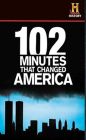
102 Minutes That
Changed America DVD